06Dec
BLS for Busy Clinicians and Students: A Simple System to Pass—and Keep Skills Sharp
The Three-Phase Plan for BLS Mastery
Basic Life Support is the skill you’ll use most often—and the one that decays the fastest. That’s why the smartest approach is systematic: a short prep routine, a calm test-day checklist, and a 90-day upkeep plan that actually sticks. Whether you’re a pre-licensure student, a first-year nurse, an experienced tech, or a clinician renewing before the new year, here’s how to make your Chicago BLS course count.
Phase 1: Prep (2–4 short sessions)
Your goal before class is simple: show up ready to do quality compressions and run the algorithm without wasting time.
-
Compression form: Practice on any manikin you can access—or a firm cushion as a last resort—to find depth and recoil. A metronome at 100–120 bpm teaches your body the tempo.
-
Ventilation: If you have access to a bag-mask device at work or school, practice the C-E grip with a partner. If not, rehearse the steps and timing out loud.
-
AED choreography: Walk through “power on → attach pads → analyze → clear → shock → resume compressions.” Your words should be the same every time.
-
Two-rescuer flow: Practice the switch at two minutes. Say it before you do it: “I’m at 90 seconds—get ready to take over on the next rhythm check.”
-
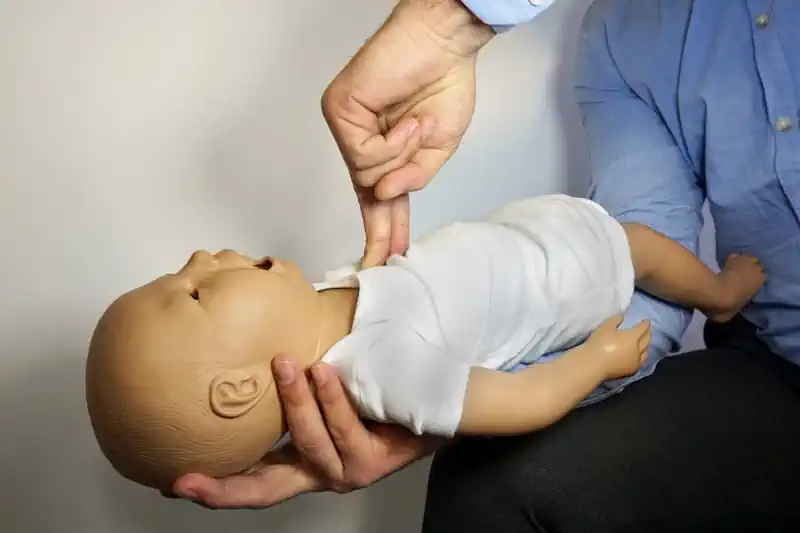
Infant/child specifics: Do one short run at each size. The mechanics differ enough that a single repetition pays off later.
Phase 2: Test day (how to be calm on purpose)
BLS testing is straightforward when you control the controllables.
-
Arrive early to shake off nerves and warm up your hands—literally.
-
Say what you’re doing as you do it. Closed-loop communication helps the instructor grade you and keeps you from skipping steps.
-
Use the clock. A glance at your watch every minute or two keeps your cycles on time.
-
Keep compressions first. Even when you’re nervous, prioritize the pump; everything else fits around it.
Phase 3: 90-day upkeep (the part everyone skips)
Skills fade. Build a tiny routine you’ll actually follow.
-
Two-minute drill once a week on a manikin if available; if not, air-practice with a metronome, focusing on posture and rate.
-
Monthly AED walk-through at your unit or clinic. Touch the device, state the steps.
-
Team mini-drill at huddles: 30 seconds of compressions with a switch. The goal is cadence and communication, not sweat.
-
Journal one improvement each month: less off-chest time, cleaner switches, better ventilation timing.
Why Chicago’s Pulse works for busy schedules
Frequent dates, clear pricing, and fast e-cards mean you can plug BLS into a packed month without derailing shifts or clinicals. If you’re stacking courses (BLS + ACLS/PALS), slot BLS first so advanced content lands on solid fundamentals. If your whole unit is renewing, consider aligning expirations to simplify reminders and reduce last-minute scrambles.
Sign up: BLS for Healthcare Provider — View schedule & register
Related
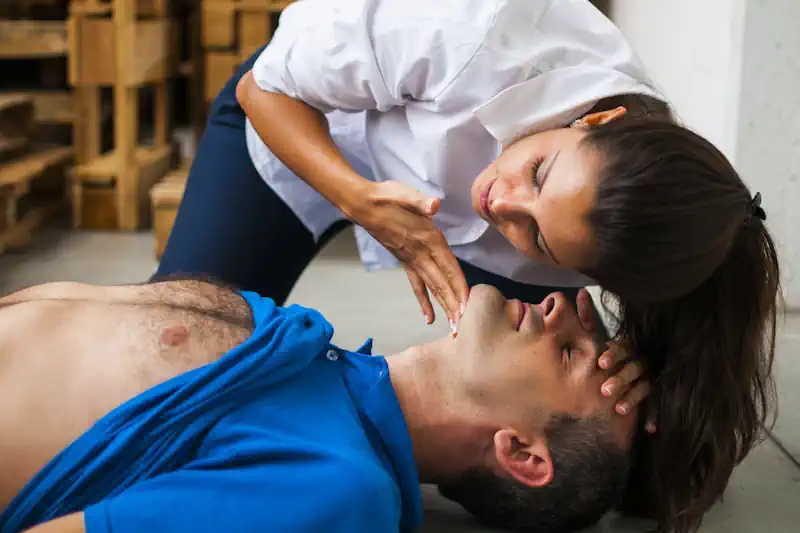
Workplace safety starts with CPR and First Aid training. Chicago’s Pulse offers Heartsaver courses ...
Read More >

Master life-saving skills with ACLS training in Chicago at Chicago’s Pulse. Join AHA-certified cour...
Read More >
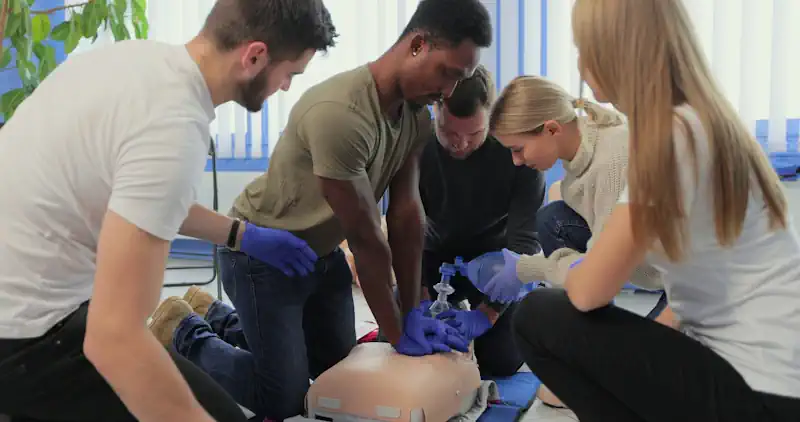
Becoming a Basic Nursing Assistant (BNA) is a great way to enter the healthcare industry. Chicago’s...
Read More >
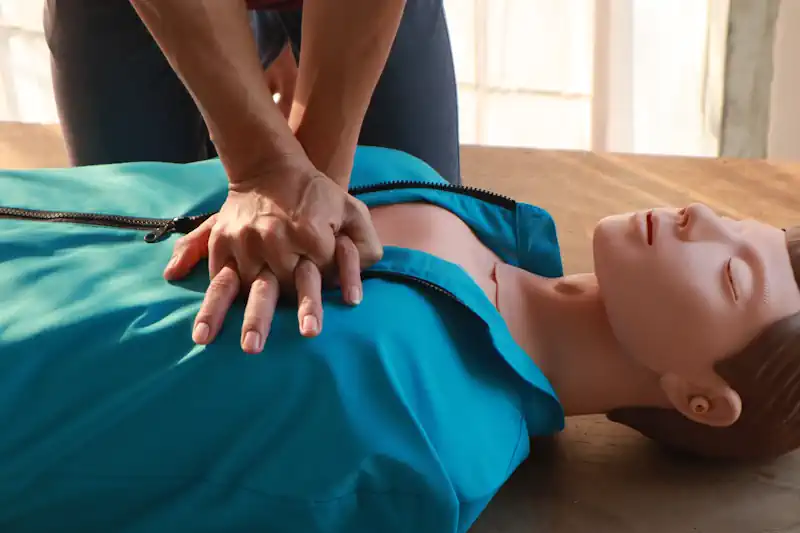
Enroll in AHA-certified ACLS training at Chicago’s Pulse to build or refresh your cardiac life supp...
Read More >
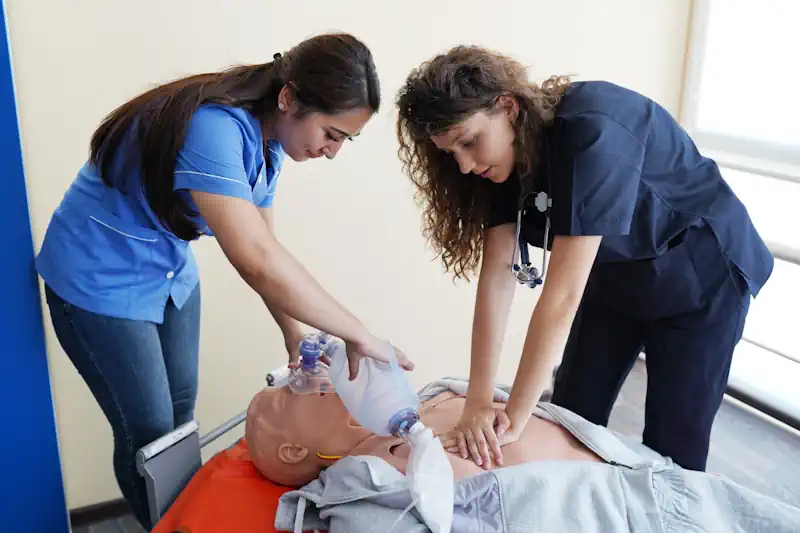
Chicago’s Pulse offers comprehensive Basic Nursing Assistant training that prepares you for real-wo...
Read More >
PALS training is essential for healthcare professionals who treat critically ill infants and childre...
Read More >